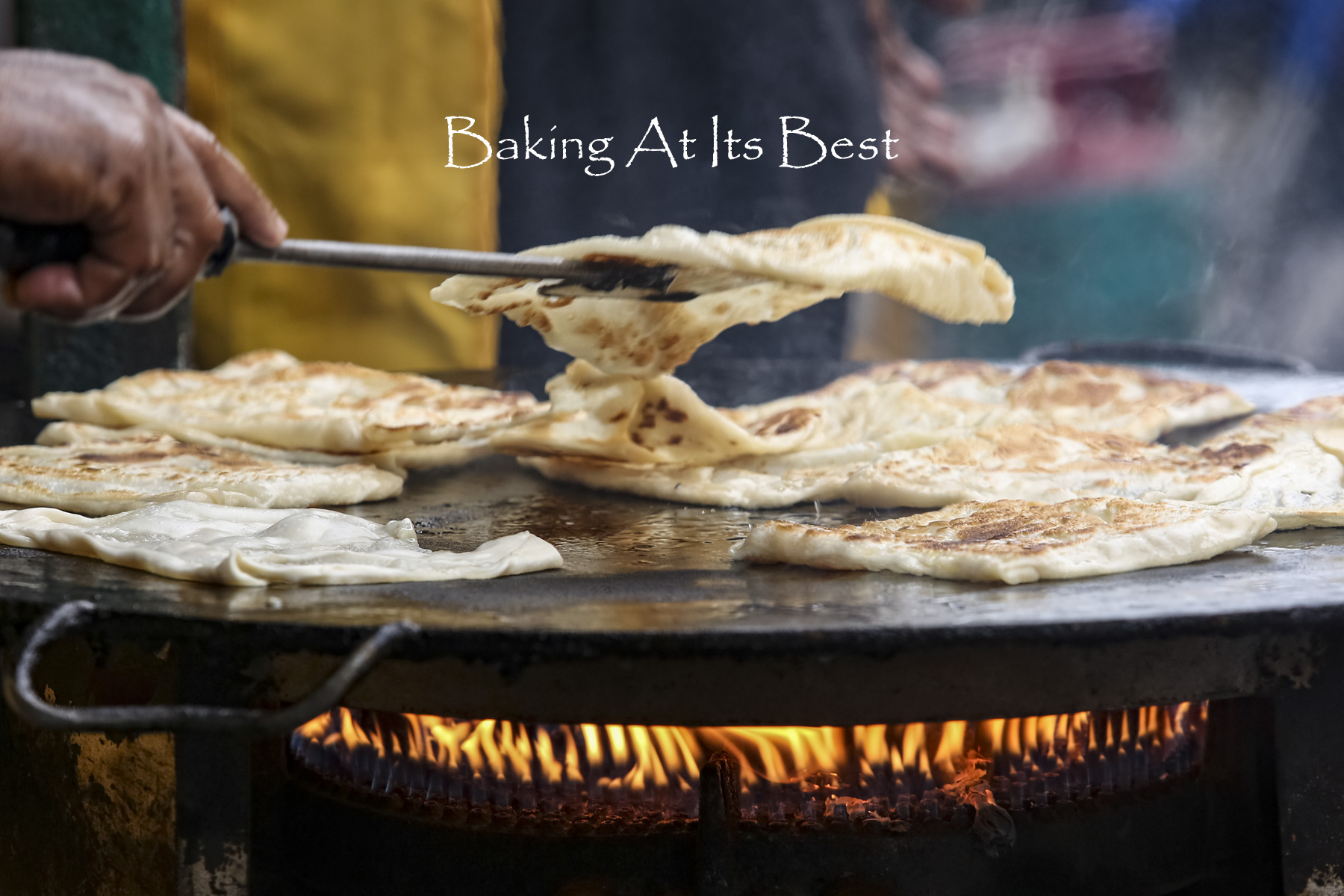
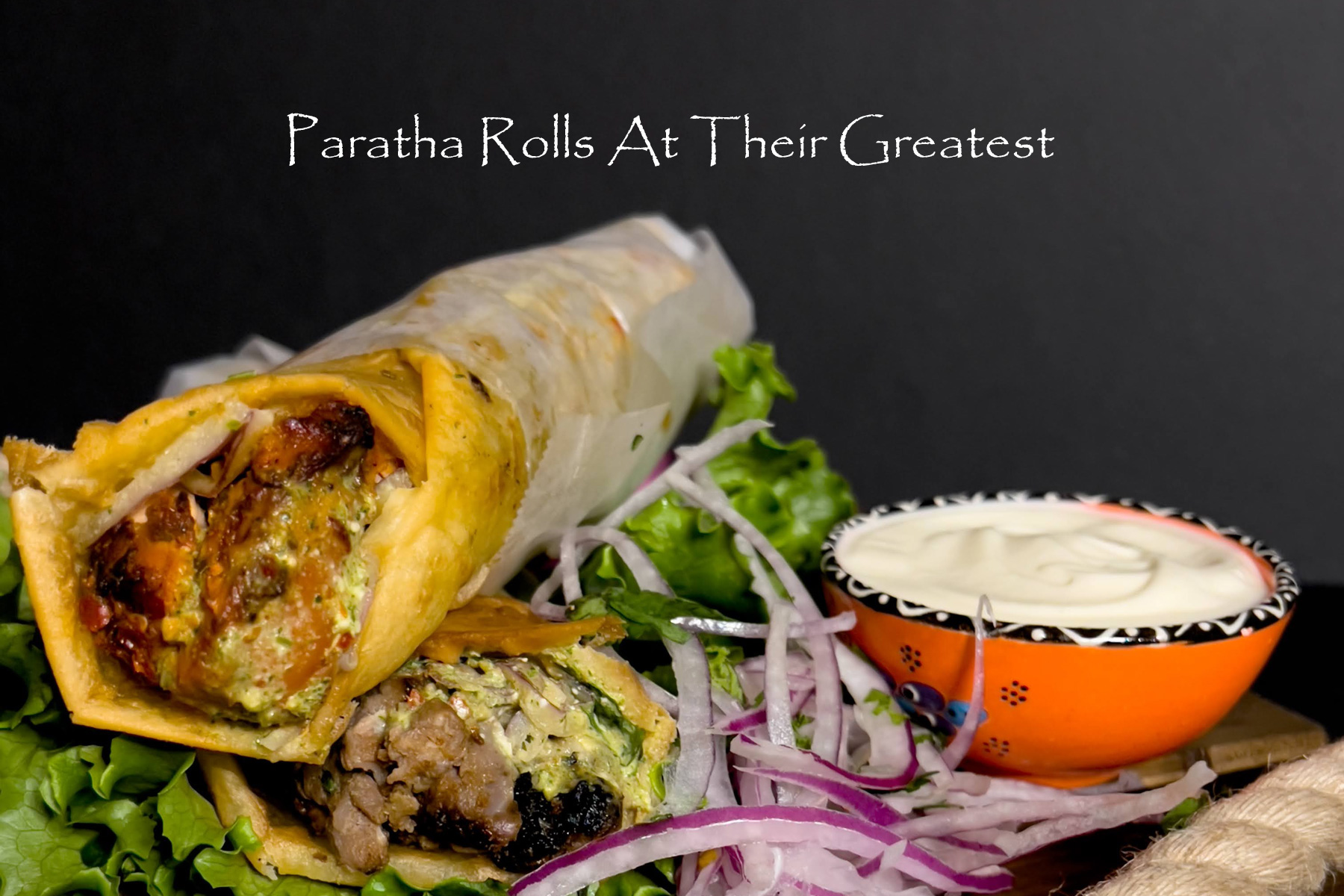
The Paratha Roll, an iconic street food from south-asia, traces its history back to the early 20th century. In its original form, it is a meat or vegetable filling wrapped in a paratha bread, although over the years many variants have evolved all of which now go under the generic name of Paratha Roll.
Over time, the paratha roll's popularity has surged, and it has become an integral part of culinary culture of India, Pakistan, Nepal, Sri Lanka and Bangladesh. Today, it has transcended its regional origins, gaining recognition as a delectable food enjoyed beyond South Asia and in many parts of the world. Internationally, specifically in parts of Canada and the United States, the paratha roll has become a popular fast food found in Indian and Pakistani food outlets and restaurants.
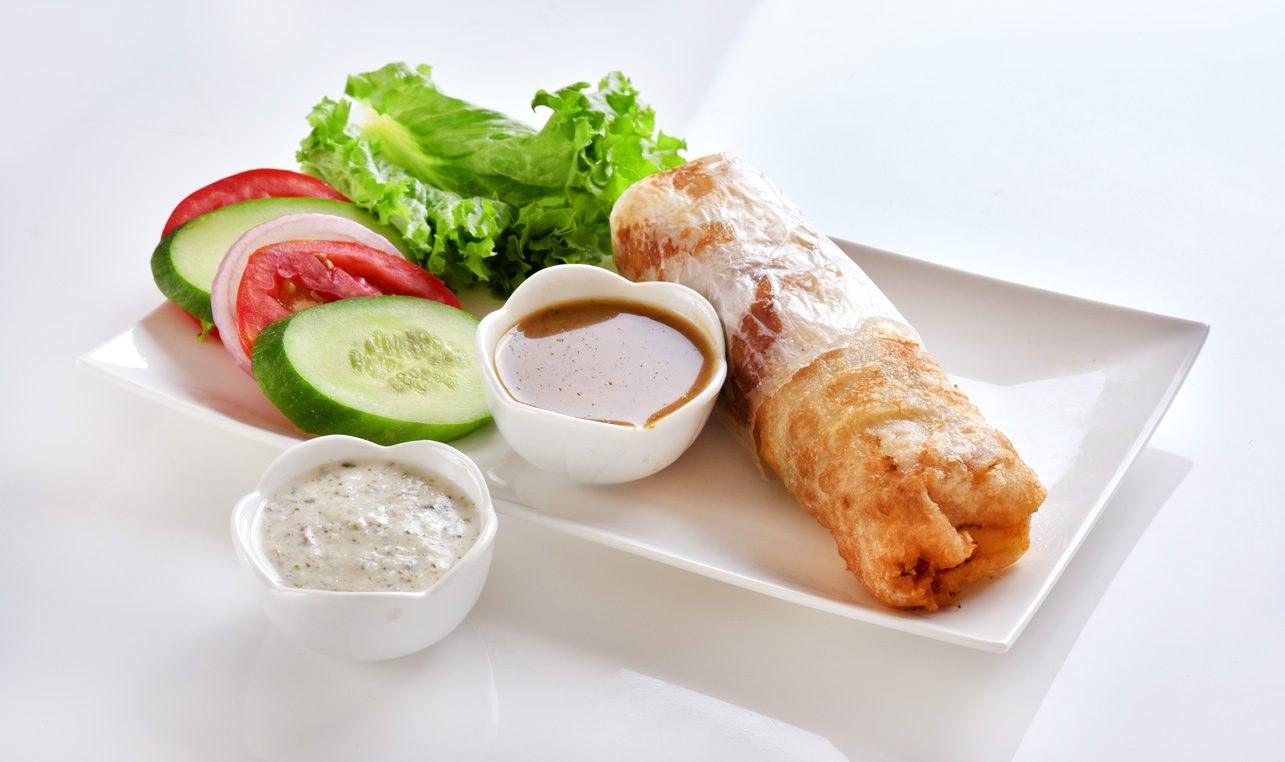
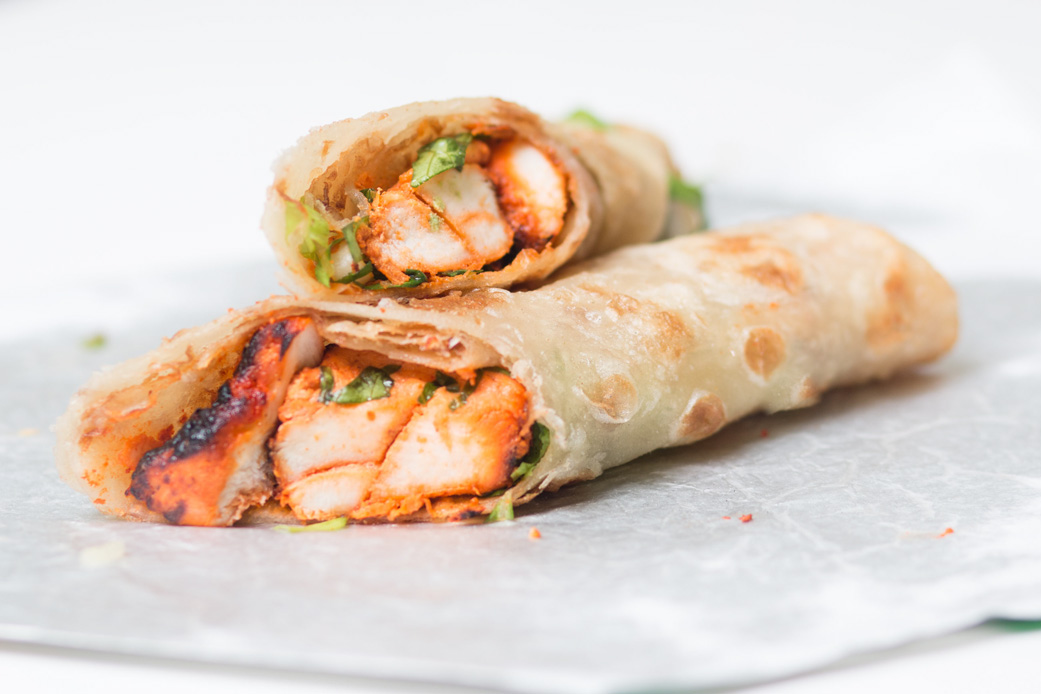
The paratha plays a crucial role in making a roll as it serves as the wrap that holds together the flavorful fillings. Paratha is a layered flatbread that originated in the south-asia and is prevalent throughout the region. It consists of whole wheat flour that is baked in ghee or clarified butter and comes in round, triangular, square, or heptagonal shapes.
The paratha's soft yet crispy and slightly chewy texture provides the perfect balance to the well-seasoned meats or vegetables, creating a delightful combination of tastes and textures in every bite. Versatile, buttery, and aromatic - parathas are irresistible in the morning, and that just may be the key to their popularity.
We never use frozen machine-made parathas to prepare our rolls. We take pride that our experienced chefs and bakers prepare parathas in-house using cherished culinary traditions, where each and every step is imbued with cultural significance and skill honed over the generations.
The quality and blend of flour used, time applied to complete the kneading, the level of fermentation achieved and even the temperature of water that is used during the processing, all affect the quality of final product significantly. This entire process requires finesse to achieve the desired consistency, texture, thickness and uniformity. If not controlled precisely, the resulting parathas will not have desired texture - that is, soft and slightly chewy yet crispy and flaky.
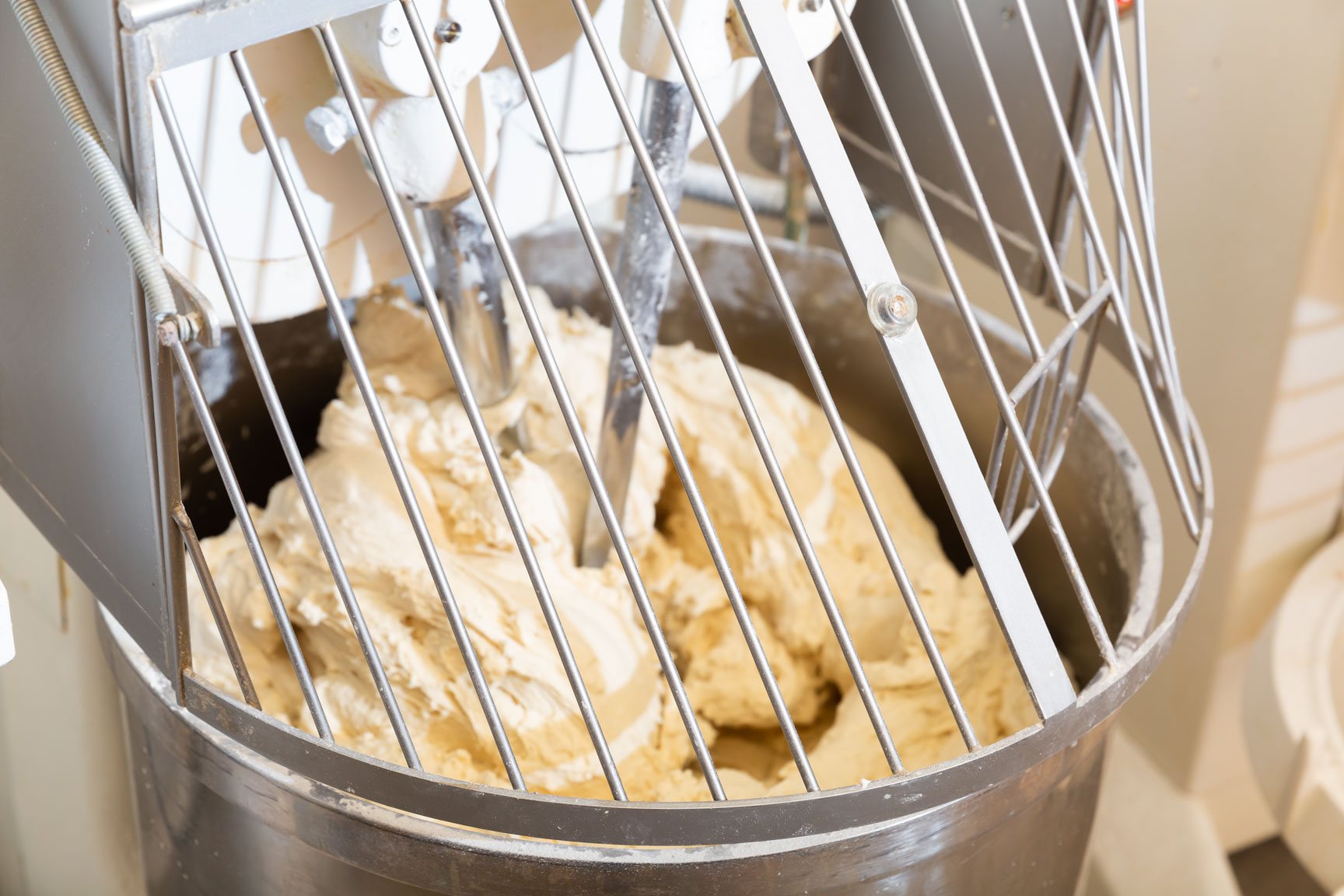
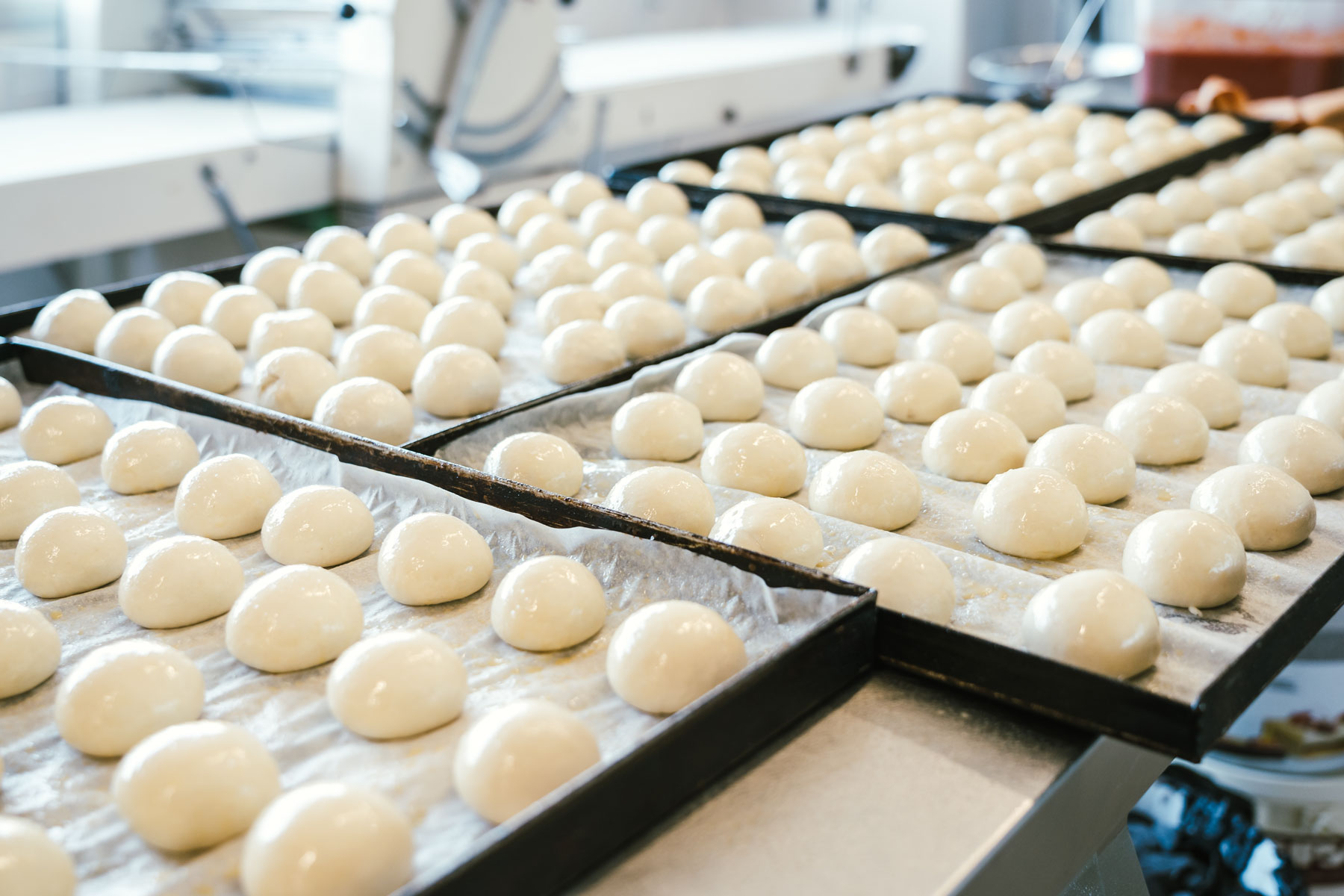
Each and every step of kneading, cutting, shaping and baking dough for parathas is an art and science, both at the same time.
While mixing dough ingredients sets the stage for the paratha-making process, the art of kneading and fermenting provides both strength and structure to the dough. Simply speaking, kneading refers to a series of stages that are responsible for transforming flour into dough. The controlled kneading process by our bakers allow proteins gliadin and glutenin in the wheat flour combine to form gluten, giant chains of amino acids, creating a matrix within the dough itself. It is this matrix that allows the dough to trap gas released by the yeast or other leavening agents, resulting in just the right amount of rise needed to make perfect parathas.
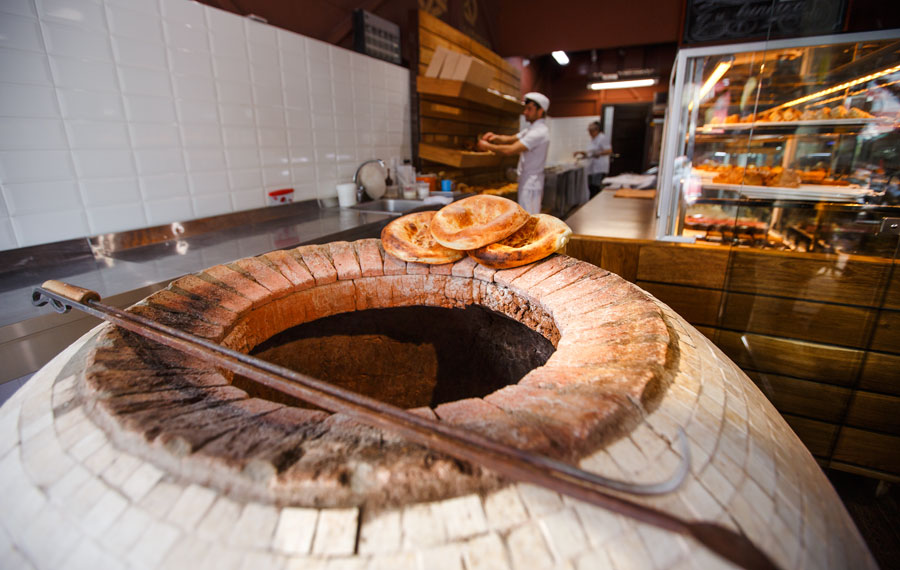
At the heart of our culinary magic lies the traditional cylindrical clay-lined Tandoor oven that infuse our dishes with tradition.
Our bakers use traditional cylindrical clay-lined Tandoor oven similar to the ones originally used by the nomadic tribes of Central Asia to bake bread and cook meat over open flames. The inner walls are heated to extremely high temperatures, often exceeding 900 degree F, and this intense heat produces the signature smoky flavors and delectable texture. The heat is regulated by the amount of oxygen that enters the oven pit, by opening or closing small vents at the bottom of the Tandoor. Be it naan bread or par-baked parathas that are fried afterwards, the use of a traditional Tandoor ensures that our end product is a perfectly baked bread with an ideal crusty finish.

PANACLOUD CANADA INC.
51 Lebovic Ave, Unit #B104 Scarborough, ON
M1L 0H2
info@panacloud.ca